- by LMH Agency
- Roof Repair
A hard Florida storm can leave you with missing shingles, a new leak, and a lot of questions about what to do next. When you need storm damage roof repair in Mount Dora, FL, the first few steps can make a big difference in how much damage spreads and how smoothly your insurance process goes.
At Skymark Roofing, we help you move quickly without panicking, so you can protect your home, document the damage, and make a smart decision about repair versus replacement before the next round of rain makes things worse.
Storm Damage Roof Repair In Mount Dora, FL Matters More Than You Think
In Central Florida, roof damage is rarely just about what you can see from the driveway. The Atlantic hurricane season runs from June 1 through November 30, and Mount Dora homes also deal with heavy rain, seasonal wind events, humidity, and strong thunderstorms that can loosen shingles, damage flashing, and create openings for water intrusion. What looks like a small problem from the ground can turn into soaked underlayment, stained ceilings, and expensive interior repairs if it is ignored.
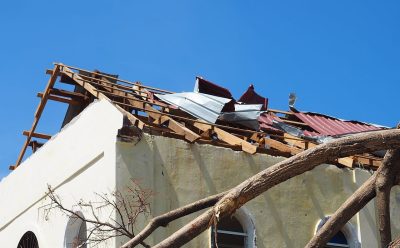
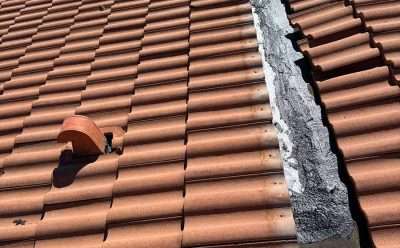
That is why quick action matters so much after a storm. If you notice shingle loss, dented metal, bent flashing, granules in the gutters, tree impact, or water spots on the ceiling, do not assume the damage is minor. Wind damage roof repair in Florida often starts with a small breach that keeps growing every time another storm passes through. Even one lifted section can let water move deeper into the roofing system and create a much bigger repair than you expected.
Just as important, fast action helps you stay organized for the insurance side of the job. The more clearly you can document what happened and when you responded, the easier it is to support your claim and show that you took reasonable steps to prevent additional damage.
Hurricane Roof Repair In Mount Dora: What You Should Do First
Start with safety. If your roof has storm damage, stay off it. Wet shingles, soft decking, loose branches, and hidden structural issues can make even a short look dangerous. From the ground, take clear photos of anything visible, including missing shingles, exposed areas, fallen debris, damaged gutters, and any interior signs like bubbling paint or fresh ceiling stains.
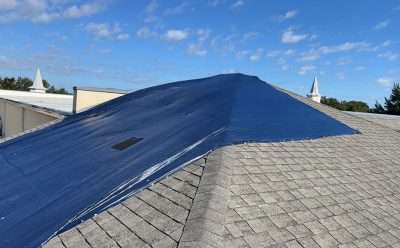
Next, focus on preventing additional damage. Florida consumer guidance tells homeowners to make emergency repairs that are necessary to stop further damage and to keep receipts plus photographs from before and after the work. FEMA also recommends documenting damage carefully after severe weather events. In practical terms, that means you should save photos, short videos, invoices, tarp receipts, and notes about when the storm happened and when the leak started.
After that, notify your insurance carrier as soon as possible. If you are filing an insurance roof claim in Mount Dora, it is also smart to review your declarations page so you know what deductible applies. In Florida, homeowners policies may include a separate hurricane deductible, which can affect what you pay out of pocket after a named storm. (Source: Florida Department of Financial Services)
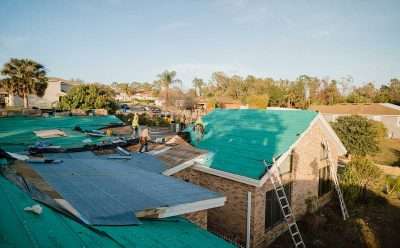
Once the home is safe and the claim is started, bring in a professional roofer for a real inspection. This is where many homeowners save themselves from a costly mistake. We can help you determine whether you are dealing with isolated damage that points to a repair, or broader storm wear that makes replacement the better long-term option. If your roof is actively leaking, our emergency roof repair service can help stabilize the situation before more water gets inside.
An Insurance Roof Claim In Mount Dora
Barbara Feldman’s review shows what many homeowners need most after a storm: speed, documentation, and honest guidance. She explained that Hurricane Milton damaged her roof and that other companies were difficult to get out for an estimate.
In her review, she said we came out the same day, documented the roof damage, and helped her coordinate the next steps with her carrier. She also shared that we provided pricing for both repair and replacement, which gave her a clearer way to decide based on the roof’s age and condition.
Her direct words say a lot: “Derek did indeed come out the same day.” She also noted that the work was completed quickly and the cleanup was thorough. You can read her full Google review here.
For more homeowner feedback, you can also visit our reviews page.
Wind Damage Roof Repair In Florida Calls For Professional Judgment
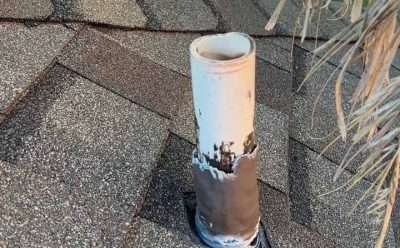
Not every storm-damaged roof needs to be replaced, but not every roof should be patched either. That is where professional guidance matters. A trained inspection can reveal things you may not spot from the ground, like lifted seal strips, loosened flashing, compromised valleys, punctures around penetrations, or moisture that has already moved below the surface.
This is also where experience matters. We are based in Mount Dora, and we serve homeowners from our headquarters right in the community. Also, we are licensed and insured and have served the area for more than 40 years, which matters when you need someone who understands local weather patterns, response timing, and how to document storm damage clearly.
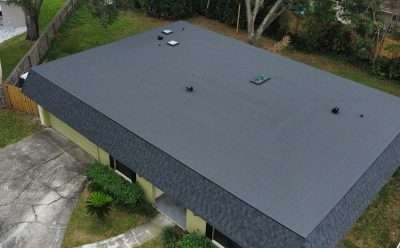
Professional help also keeps you from overcorrecting. A newer roof with localized shingle damage may only need targeted work. An older roof with repeated leaks, brittle materials, or more widespread storm exposure may be better served by replacement. If you are trying to weigh both options, our guide to roof repair versus roof replacement can help you think through the decision in a more practical way.
Most importantly, professional guidance helps you avoid the two biggest post-storm mistakes: waiting too long and guessing wrong. Waiting lets water damage spread. Guessing can lead to incomplete repairs, denied claim frustration, or money spent on a short-term patch when the roof really needs a larger solution.
Emergency Storm Roof Repair: Practical Next Steps For Mount Dora Homeowners
If you are searching for storm damage roof repair near you after a rough night of wind and rain, keep your next steps simple.
First, make sure everyone in the home is safe and stay off the roof.
Second, photograph everything you can from the ground and inside the house.
Third, save every receipt connected to emergency protection, cleanup, or temporary repairs.
Fourth, report the damage to your insurance carrier and ask what documentation they want first.
Fifth, schedule a professional inspection so you know whether you need a repair, temporary stabilization, or a full replacement plan.
When time matters, local response matters too. We provide roof repairs, replacements, emergency service, and storm damage restoration from our headquarters in town, and we offer 24/7 response for urgent situations when conditions are safe for crews.
If your roof is leaking now or you want a clear plan before the damage spreads, contact us online. We will inspect the damage, explain your options in plain language, and help you take the next step with confidence.
FAQs
How do I know if I need emergency storm roof repair?
If your roof is actively leaking, has visible openings, suffered tree impact, or shows sudden storm damage after high winds, you should treat it as an emergency and have it stabilized quickly.
Should I call my insurance company or a roofer first?
Do both early. Start your claim promptly, then have a roofer inspect and document the damage so you understand the scope and can support the claim more clearly.
Can wind damage roof repair in Florida wait a few days?
Sometimes a minor issue may look stable, but waiting is risky in Florida weather. Another round of rain can turn a small opening into interior water damage fast.
How do I know if I need repair or replacement after hurricane roof damage in Mount Dora?
It depends on the age of the roof, how widespread the damage is, and whether leaks or structural issues extend beyond one area. A professional inspection is the best way to make that call.
What should I save for an insurance roof claim in Mount Dora?
Keep photos, videos, receipts, invoices, notes about the storm date, and records of any emergency tarping or temporary repairs. That documentation can help support your claim and show that you worked to prevent further damage.